+1 713-364-2938
 info@availaestheticsmd.com


Sample Page
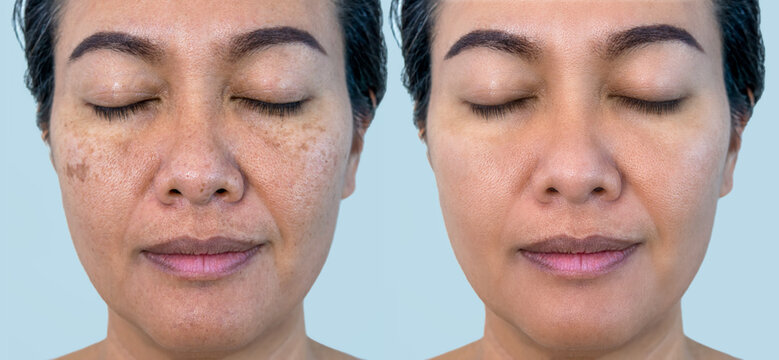
Best treatment for sun-damaged skin: Laser vs Peels vs Topicals

Disclaimer: The information provided in this blog is a general opinion and is not to be considered as medical advice. Book an appointment with our specialists to get an accurate diagnosis and a personalized treatment plan.
To avoid sun damage, take appropriate precautions such as wearing the right clothing, using sunscreen, and avoiding strong UV rays during the middle of the day. There are several treatment options available, including laser resurfacing, chemical peels, and topicals.
Sun-damaged skin treatment
Early aging of the skin due to continuous exposure to the sun or ultraviolet A (UVA and ultraviolet B (UVB) radiation is called photoaging. Natural UV radiation, tanning beds, and sunlamps (sources of artificial UV light) can cause photodamage. UV rays can age you more quickly than usual, besides increasing your risk of skin cancer.
Sun damage treatment Katy TX
When skin cells’ DNA is exposed to UV radiation, it is invariably damaged and cannot be reversed. But you can still improve your skin’s appearance and reduce or repair the effects of sun damage. There are treatments available to clear skin pigmentation, reduce wrinkles and fine lines, remove spots, smooth skin, and stimulate collagen production. These steps can improve skin quality and tone.
While anyone can be susceptible to skin damage, you are at more risk if you have a light skin tone, have had a family history of cancer or melanoma, have moles or freckles, or live at a high altitude. Intense sun exposure on weekends, while staying all week indoors, can also cause sun damage.
Signs of sun damage
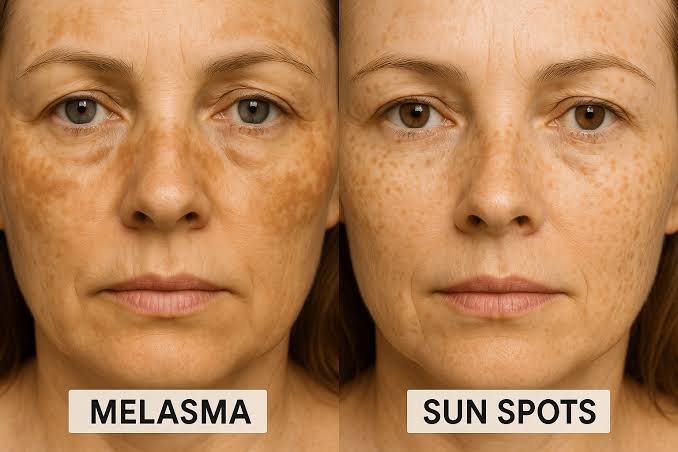
There are some obvious signs of photoaging that you can visualize. More often, these symptoms start in your teens or early 20s. You will notice spider veins on your cheeks and neck, as well as a loss of skin elasticity in the exposed areas. Lines and wrinkles appear around your eyes and mouth. Scaly, red, rough spots appear on the skin; these are actinic keratoses. You will also notice lip lesions, skin pigmentation, uneven skin texture, and skin thinning.
Sun-damaged skin treatment: laser vs. peels vs. topicals
While photoaging cannot be completely reversed, some treatments can help rejuvenate your skin. Speak to experts at Avail Aesthetics MD for a solution.
Some solutions available are:
Retinoids or Retinols:
These topical products can treat early signs of photoaging. Retinoids encourage skin cell turnover, allowing new cells to form. While keeping skin tighter, they also stimulate collagen production. Retinoids can help treat fine lines and wrinkles, age-related spots, and skin roughness.
Laser treatment:
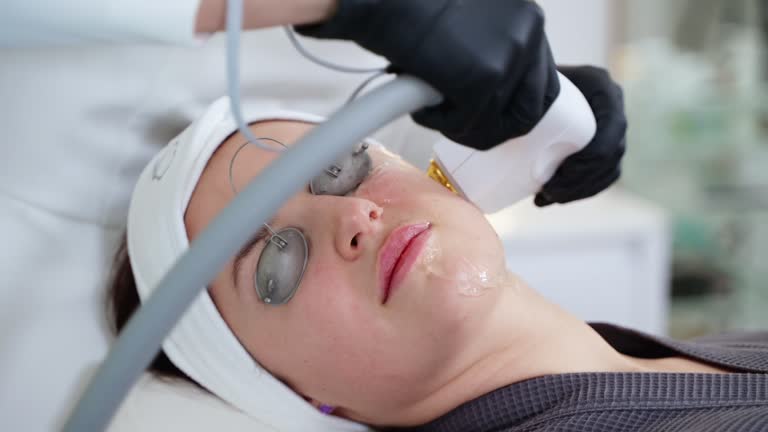
Lasers remove the damaged top layer of the skin and stimulate collagen production. This smooths the skin’s surface, providing it with a more even appearance. Microbeams of light are emitted with fractional resurfacing into the dermis and epidermis to create narrow columns of tissue coagulation. Coagulated tissue triggers a natural healing process that promotes the growth of healthy tissue. A gentle beam of light from a pulsed dye laser is used to reduce redness and eliminate broken blood vessels.
Chemical Peels:
Glycolic acid or trichloroacetic acid is applied to the skin. These chemicals remove the outermost layer of the skin, stimulating the production of new skin. Brown spots and actinic keratoses are effectively treated with chemical peels. The treatment also manages fine lines and wrinkles and enhances skin tone and texture.
CO2 laser for sun damage
Carbon dioxide lasers are a revolutionary new technology that uses ultrapulsed or very short-pulsed light in a scanning pattern. These continuous light beams rejuvenate wrinkled and sun-damaged skin and join other popular laser treatment options.
Local anesthesia and sedation may be used to perform carbon dioxide laser resurfacing. If the entire face must be treated, general anesthesia may be used. You can also treat wrinkles around the eyes, forehead, and mouth individually. For about 24 hours, a non-stick dressing is applied, and the areas must be cleaned with saline at least 3 to 5 times a day. The wound takes around 21 days to heal completely, depending on the intensity of the laser settings. Stronger settings require longer healing times. At the same time, the redness in the treated area subsides in about two to three months.
Avail Aesthetics MD
Whether they are retinoids, lasers, or chemical peels, Avail Aesthetics MD uses the latest in technology to administer treatments that truly make a difference. To learn more about skin resurfacing near Katy Fwy, speak with our experts for a consultation.
FAQs
Unfortunately, sun damage is not reversible because intense UV exposure damages skin cells’ DNA.
You have chemical peels, retinols, and laser treatments available for sun damage. Speak to our experts for a quick consultation.
The carbon dioxide laser is a revolutionary technology that uses short pulses of light to rejuvenate the skin.
At Avail Aesthetics MD, a range of treatment options is available for melasma, skin spotting, and dull skin due to overexposure to UV rays.