 713-590-0640
 Availaesthetics@mail.com



Blog
Adult Acne in your 30s and 40s: Causes, Triggers, and what Dermatologists Recommend

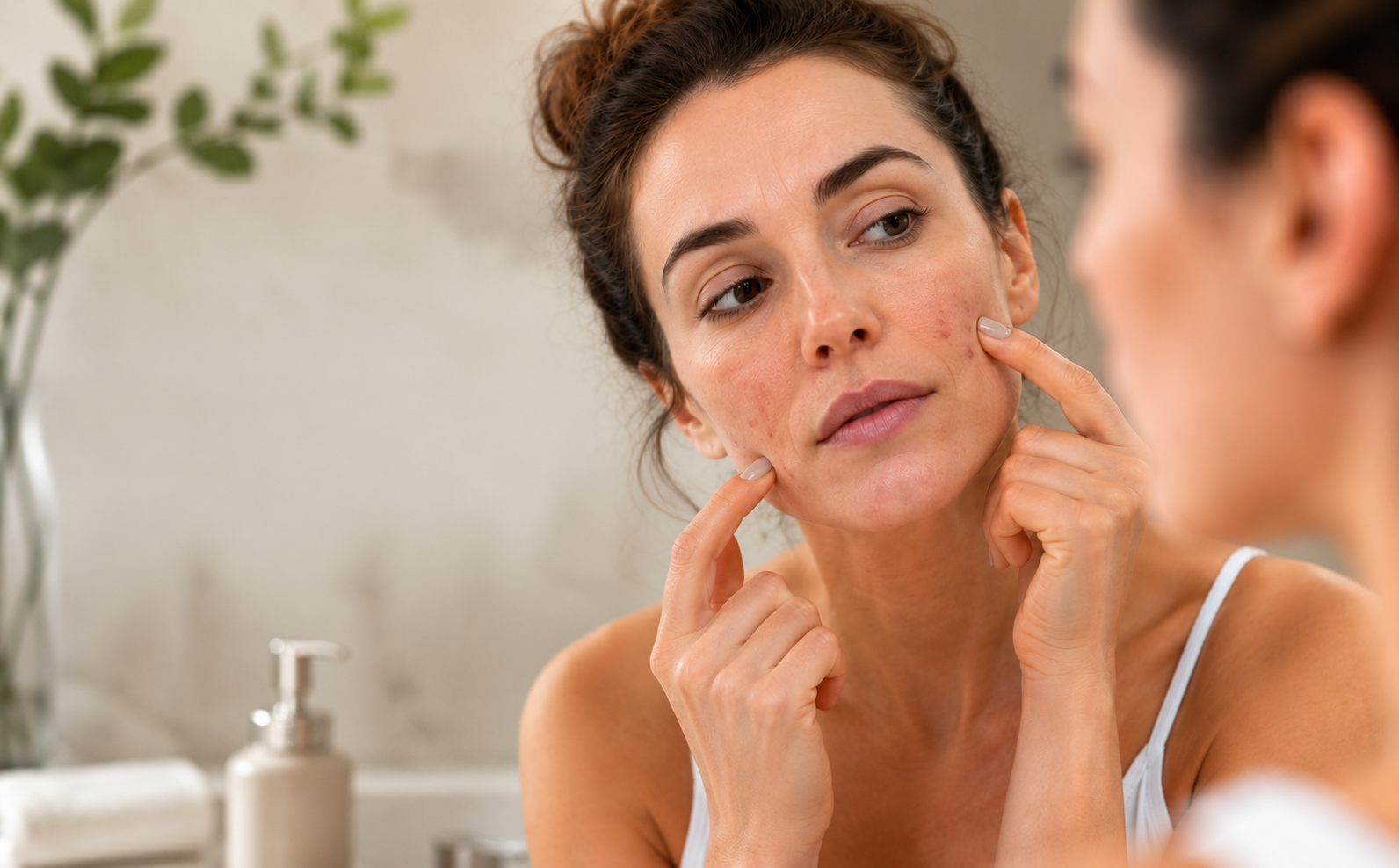
Acne occurring after the age of 25 is known as adult acne. Affecting over 15% of the women in the United States, the condition is primarily driven by imbalances in hormones, excessive stress, using pore-clogging products, and genetics. The newly developed inflammatory skin condition in the 30s and 40s is late-onset acne, predominantly due to clogged hair follicles combined with sebum and dead skin cells, which lead to bacterial growth and inflammation, resulting in an acne-like breakout. While this might be the main cause, researchers have also found a relationship between stress and acne in adults. Hormonal acne in adults affects mostly women, who experience deep, painful cysts and whiteheads that appear along the jawline and lower face. Adult acne treatments at Avail Aesthetics range from skin rejuvenation to laser treatments, injectables, medical-grade skin care, and facials & peels.
- Acne after 30 is typically caused by stress, genetics, hormonal imbalances, and certain skincare products.
- High-sugar foods, whey protein, and heavily oily cosmetic products can also cause acne breakouts.
- Adult acne treatments include skin rejuvenation, laser treatments, microneedling, laser therapies, and dermatologist-recommended topical creams.
- It is best to seek treatment from knowledgeable, certified medical professionals to improve skin texture, reduce scarring, and get a personalized plan to address the underlying causes of acne.
Causes of acne after 30
Causes of acne after 30
Acne is largely caused by clogged pores or hair follicles that hold your hair strands. Glands empty into your hair follicles, and when there’s too much material, they get clogged. Pores are obstructed by sebum, bacteria, or dead skin cells. When these clog, hair follicles swell up, resulting in a pimple. Pain, swelling, discoloration, and redness occur when the pimple is inflamed.
Acne Triggers
- Toxic elements in the environment can cause acne or worsen a breakout.
- Besides, they are also caused by wearing tight clothes, helmets, hats, and other headgear.
- Weather conditions, such as high humidity, release toxins into the air that react with your skin, leading to breakouts.
- The use of oily personal care products, heavy creams, and lotions can cause acne, since your skin is in constant contact with grease.
- Other triggers could be side effects of certain medications and constantly picking at your acne.
- Certain foods, such as whey protein, high-sugar foods, and skim milk, can lead to acne breakouts. Choose a balanced, nutritious diet rich in fruits and vegetables to reduce the risk of acne.
Hormonal Acne Causes
Fluctuating androgenic hormones such as testosterone can cause hormonal acne in adults. Sebaceous glands tend to overproduce oil, which, when mixed with dead skin cells, clogs the pores. Underlying endocrine conditions such as PCOS can cause acne, too. Stressful life transitions, birth control, and the onset of perimenopause are some of the causes that are also known to cause acne after 30.
Recommended Adult Acne Treatments
Adult acne has a variety of causes, including genetic predisposition, fluctuating hormones, bacterial accumulation, and reactions to certain skin and hair products. Acne in adults can be mild, moderate, or severe. Temperate adult acne includes small pustules, whiteheads, and blackheads, while moderate acne includes papules that cover only about three-quarters of the body or face. Finally, severe adult acne involves the formation of deep cysts, accompanied by swelling, irritation, and redness.
Fact: Adult Acne appears more in females than in males.
At Avail Aesthetics MD, several treatment modalities are available.
Skin Rejuvenation
Two of the most popular treatments available for adult acne are microneedling and microdermabrasion. While neither is superior to the other, these are stages to improving your acne. Microdermabrasion is relaxing and extracts impurities, including dead skin cells. It manages blackheads, dull skin, and blemishes, and stabilizes uneven skin tone. Microneedling is primarily a collagen-induction therapy. Your skin’s natural healing process is triggered by micro-injuries administered on the surface. Considered the gold standard of treatments, it reduces atrophic acne scars and remodels an uneven skin texture.
Laser Treatments
Light energy is used to improve the skin’s appearance and subsequently reduce acne. It is a minimally invasive inpatient procedure that is typically considered for people with mild to severe acne breakouts. Laser light treatments may be effective on their own. At other times, oral antibiotics, topical creams, and other medications may be considered supportive measures. Some laser light therapies are:
PDT or Photodynamic therapy
Red, blue, or other light sources are applied along with a topical photosensitizer, which is activated by light and absorbed by the skin. This decimates acne-causing bacteria and inhibits excessive oil production. PDT is one of the most established forms of light therapy, and treatment lasts between 1 and 4 weeks.
IPL or Intense Pulsed Light
This treatment addresses multiple factors with the broad-spectrum light emitted by specialized IPL devices, eliminating or improving acne, reducing bacteria, and reducing excessive oil production. Skin tone has improved, and redness has decreased.
Photopneumatic therapy
Light treatment combined with gentle vacuum suction clears blocked pores to reduce acne. With this, the sebaceous glands come closer to the skin’s surface, stretching it and extracting contents that are blocking them. Thereafter, the Intense Pulsed Light is delivered to the affected area.
PDL or Pulsed Dye Laser
Yellow light is used to reduce inflammation in acne lesions. Red, inflamed pimples are treated with PDL, which also reduces scarring.
1064 nm lase
Treats skin conditions such as acne while reducing oil production. It improves the skin’s texture, too.
1726 nm laser
Working at a specific wavelength, the oil glands in the skin are targeted to reduce discomfort and protect the skin. Improvement continues even after the last session of the treatment.
Facials & Peels
Customized, targeted facial treatments are administered to address hormonal acne in adults. There are superficial peels that clear pores and others that treat cystic acne and hyperpigmentation. Common chemical peel formulations for adult acne treatment include TCA (Trichloroacetic Acid), Lactic Acid, and Salicylic Acid. These could be light lunchtime peels or medium-depth medical peels with no downtime. Hydrodermabrasion and acne facials are used to deep-clean pores. Targeted medical-grade serums may also be infused to unclog pores, regulate sebum production, and eliminate acne-causing bacteria.
Anti-acne facials are a luxury experience. It begins with a skin-cleansing treatment, exfoliation to remove dirt and dead skin cells, and extraction of whiteheads and blackheads. Anti-acne peels are medically supervised treatments that fight tough acne and reduce scarring. Naturally occurring acids are used to peel away damaged layers, revealing much brighter, clearer skin.
Injectables
Typically, triamcinolone acetonide, a dilute corticosteroid, is directly injected into a cystic pimple to rapidly reduce inflammation. The blemish flattens in 24 to 48 hours. Painful acne breakouts can be treated with a corticosteroid injection to relieve pain and swelling. Dermal fillers may also be administered to stimulate collagen production and elevate depressed acne scars. While these are not active injectables, they are temporary fixes for acne.
Medical Grade Skincare
Medical-grade skincare products, handpicked by your dermatologist, may be prescribed. You will also be advised on their safe use and effectiveness, as they may contain ingredients not found in OTC products. These prescriptive products are tested and meticulously designed to deliver preferred outcomes that are particularly suited to your skin.
Conclusion
Reach out to your healthcare provider to understand the causes of acne specific to your physiology. The provider might recommend lotions and moisturizers that can be directly applied to the skin. OTCs such as Benzoyl peroxide with wash formulations that are less irritating to the skin may be prescribed if you are sensitive. Salicylic acid is another highly effective solution that dissolves dead skin cells and unclogs pores. Some of the best acne treatments after 30 are available at Avail Aesthetics MD. Book a consultation today.
FAQS
This is absolutely normal and not alarming. Stress, certain skincare products, hormonal fluctuations, and other factors can trigger adult acne.
Of course, foods high in sugar, skim milk, and whey protein can cause acne. Check with your healthcare provider and visit your nutritionist to balance your diet.
You will find a range of laser treatments, such as Photodynamic therapy, Intense Pulsed Light, Pulsed Dye Laser, and more, that improve skin texture while controlling oil production.
Recommended treatments include skin rejuvenation, laser treatments, facials & peels, injectables and medical-grade skincare.
Most acne treatments are non-invasive and include peels, lasers, dermal fillers, etc., that eliminate acne and improve skin.